

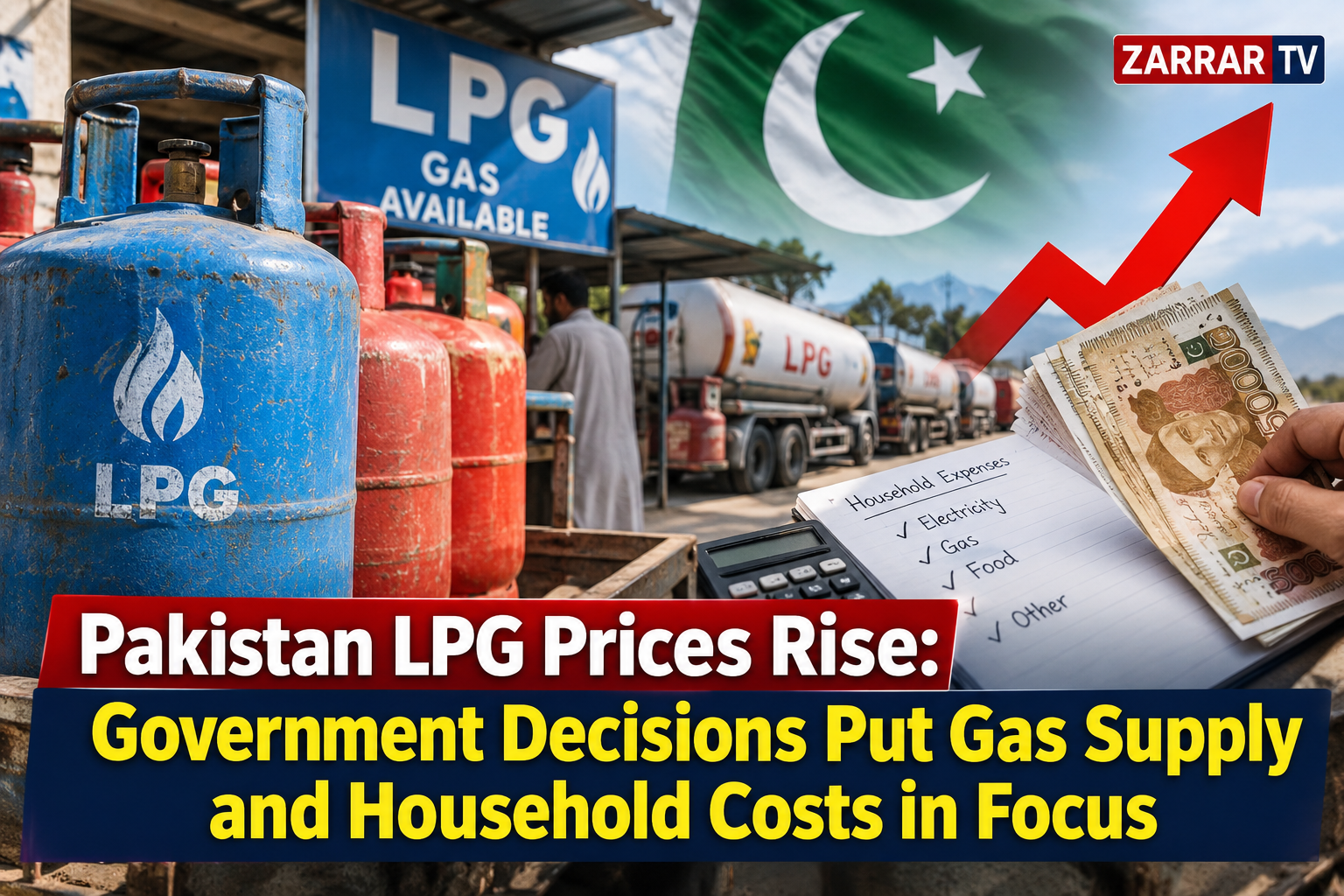
Pakistan’s liquefied petroleum gas (LPG) market is facing a supply crisis as disruptions to imports from Iran push retail prices sharply higher, adding pressure on households and businesses ahead of winter. On October 26, 2026, reports from Lahore indicated that LPG was selling for as much as Rs570 per kilogram, well above the official October rate of Rs279.34 per kilogram set by the Oil and Gas Regulatory Authority (OGRA).
The widening gap between regulated prices and reported market rates has brought gas availability, price enforcement and the government’s response into focus. Consumers who depend on LPG for cooking are particularly vulnerable in areas where piped natural gas is unavailable or unreliable.
LPG Supply Disruptions Put Pressure on Prices
The recent shortage is linked to interruptions in LPG imports through key crossings between Pakistan and Iran. Reuters reported on October 23 that the closure of the Gabd-Rimdan and Taftan crossings on October 17 had halted LPG imports, leaving supplies disrupted and contributing to higher prices in several parts of Pakistan.
Traders reported that hundreds of trucks, including LPG tankers, were stranded during the disruption. Although the crossings subsequently reopened for certain Pakistani exports, LPG imports remained affected at the time of the report.
The interruption has raised concerns about the availability of imported gas as the country approaches the colder months, when household demand typically increases.
Official LPG Rates Differ Sharply From Market Prices
OGRA set the official maximum consumer price of LPG for October at Rs279.34 per kilogram. The notified price for a standard 11.8-kilogram domestic cylinder was Rs3,296.23, following an increase of Rs244.14 from September. The regulator attributed the monthly increase to a rise in the international Saudi Aramco contract price used in its pricing calculations.
However, reported retail prices have risen far beyond the notified rate in some markets.
The Express Tribune reported on October 26 that LPG was selling for up to Rs570 per kilogram in Lahore. Consumers also reported difficulties obtaining gas through ordinary retail channels, with some vendors reportedly restricting open sales amid government efforts to control prices.
These reports highlight the difference between an official notified price and the price consumers may encounter during a shortage. The reported retail figures should not be treated as a uniform national price, as availability and rates can vary by location.
Government Faces Pressure Over Price Controls and Availability
The situation presents two related challenges for the authorities: maintaining adequate LPG supplies and ensuring that consumers are not charged excessive prices.
OGRA’s notified rates provide a regulatory benchmark, but enforcement becomes more difficult when supply disruptions reduce the amount of gas available in local markets. Authorities must also address distribution bottlenecks and determine whether reported prices reflect genuine supply constraints or unlawful overcharging.
The government’s response will be important for households that have limited alternatives to LPG. However, the available reports do not establish that a new nationwide LPG pricing policy has been announced specifically in response to the latest shortage.
Winter Demand Could Deepen the Supply Challenge
Pakistan’s LPG requirements generally increase during winter, when households use more fuel for cooking and heating. According to reporting by Dawn on October 21, daily LPG consumption was around 4,000 to 4,500 tonnes, with demand potentially reaching 6,000 to 7,000 tonnes a day during peak winter.
Any prolonged interruption to imports could therefore intensify competition for available supplies. Households in colder and remote areas may face particular difficulties if transportation costs rise or local distributors cannot obtain sufficient quantities.
Higher LPG prices can also affect restaurants, small food businesses and other commercial users. Businesses facing increased fuel expenses may need to absorb the additional costs or adjust their prices, although the extent of any wider impact remains uncertain.
What Happens Next?
The immediate outlook depends on the restoration of regular LPG imports, the availability of domestic production and the effectiveness of government monitoring.
A sustained improvement in cross-border supplies could help ease shortages, while continued disruptions may keep market prices elevated. Authorities will also need to communicate any changes to official rates clearly and ensure that consumers can access reliable information about notified prices.
For households, the key issues remain affordability and availability. The official October rate provides a reference point, but the latest reports show that consumers in some markets are encountering substantially higher prices.
As winter approaches, restoring LPG supply and enforcing existing price regulations will be central to limiting further pressure on household budgets. The extent of relief will depend on how quickly supply channels recover and whether gas becomes available at prices closer to the official benchmark.
