

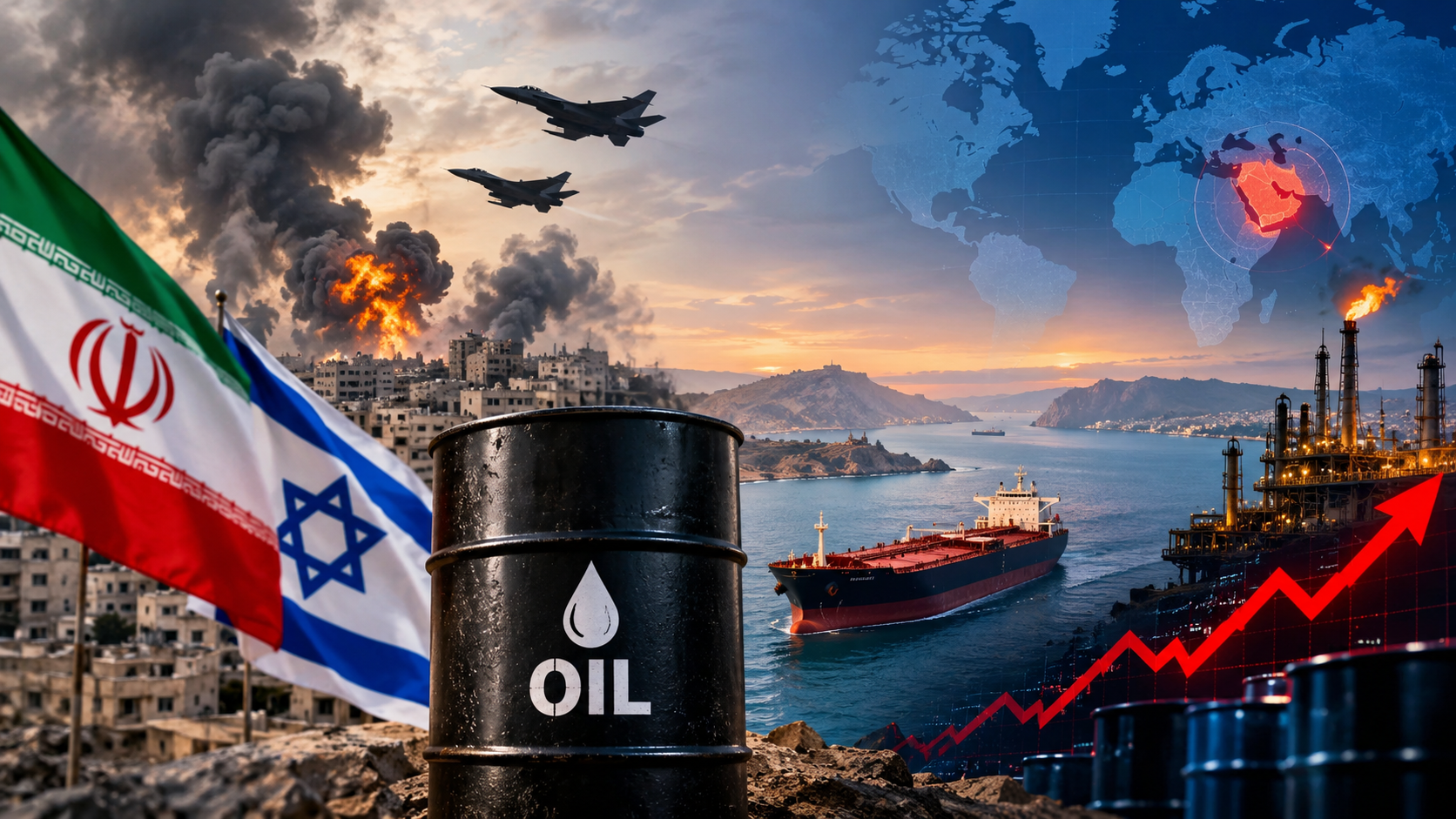
Global tensions linked to the Middle East conflict are raising concerns about oil prices, energy supplies and regional stability, as developments in the region continue to influence international markets and diplomatic priorities. The potential impact on shipping routes, oil production and trade has made energy security an important issue for governments, businesses and consumers worldwide.
The Middle East is central to global energy markets because several major oil-producing countries are located in the region. Any disruption to production, transportation or exports can affect the availability of crude oil and influence prices in international markets. However, the scale of any price movement depends on the nature and duration of disruptions, global demand and the availability of alternative supplies.
Oil Markets Face Uncertainty
Oil prices respond to changes in supply expectations, geopolitical risks and broader economic conditions. When tensions increase near important energy infrastructure or shipping routes, traders may factor the possibility of supply disruptions into market prices.
One of the most closely watched locations is the Strait of Hormuz, a narrow waterway connecting the Persian Gulf with the Gulf of Oman. It is a critical route for international oil and gas shipments. Any significant interruption to maritime traffic through the strait could create challenges for energy exporters and importing countries.
Nevertheless, geopolitical tensions do not automatically lead to sustained increases in oil prices. Market movements also depend on inventories, production decisions by major exporters, economic growth and expectations about future demand.
Regional Stability and Diplomatic Efforts
The conflict also presents wider challenges for regional security. Continued military tensions can complicate diplomatic engagement, increase uncertainty for businesses and raise concerns about the safety of civilians and commercial transport.
Governments and international organizations face pressure to prevent further escalation and support diplomatic channels. Efforts to reduce tensions can help limit risks to trade and energy infrastructure, although the effectiveness of such measures depends on developments on the ground and the willingness of the parties involved to negotiate.
The economic consequences may extend beyond the region if higher energy costs affect transportation, manufacturing and electricity generation. Countries that depend heavily on imported fuel can be particularly exposed to sudden increases in international prices.
Potential Impact on Pakistan
Pakistan could face additional economic pressure if international oil prices rise significantly and remain elevated. As an importer of petroleum products, the country is exposed to changes in global energy costs and the exchange rate.
Higher import costs can increase pressure on foreign exchange reserves and contribute to domestic fuel-price adjustments. Depending on the scale and duration of the increase, transportation, agriculture and other fuel-dependent sectors could also face higher operating expenses.
The final impact on Pakistani consumers would depend on international crude prices, the rupee-dollar exchange rate, government tax policies and domestic pricing decisions. No specific increase in local fuel prices can be established without verified current data and an official pricing announcement.
What to Watch Next
Market participants and policymakers will be watching developments around key shipping routes, oil production, diplomatic initiatives and international energy demand. Official statements from regional governments, energy agencies and oil-producing countries will be important in assessing the direction of the market.
For now, the relationship between Middle East security and global energy costs remains a significant concern. The duration of the conflict, the extent of any disruption to oil supplies and the prospects for diplomatic progress will help determine whether the risks translate into lasting economic pressure.
Until more verified information becomes available, forecasts about the scale of future oil-price movements should be treated cautiously. Monitoring reliable market data and official announcements remains essential for understanding the evolving situation.
produced by mukarram ahmed
