

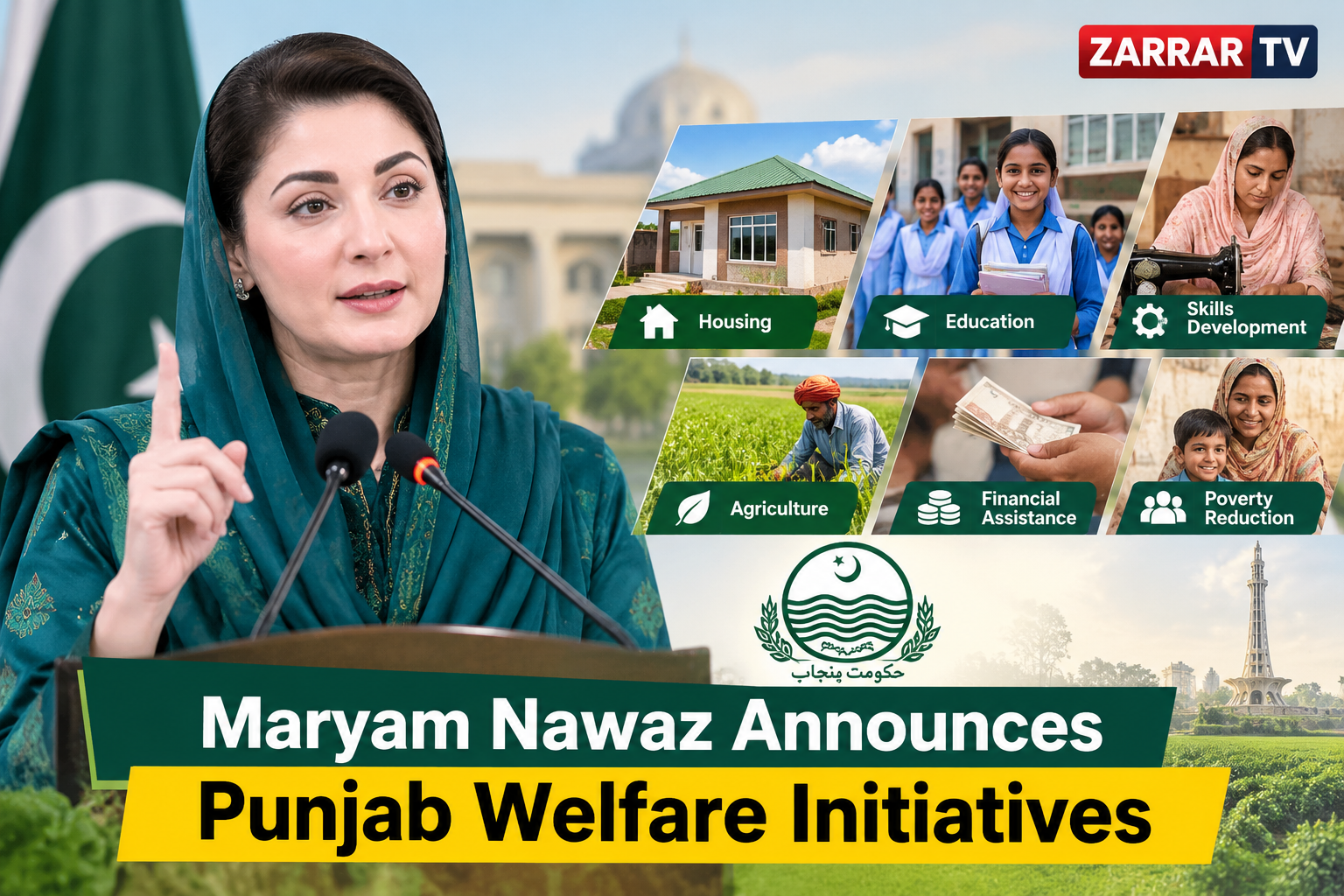
The chief minister said the government was pursuing practical measures to support disadvantaged people through public welfare programmes and economic policies. The initiatives she referenced include Apni Chhat, Apna Ghar, the Parwaaz Card, laptop distribution and the Honhaar Scholarship Programme.
Welfare Programmes and Household Support
Housing assistance remains one of the programmes highlighted by the provincial government. Apni Chhat, Apna Ghar is intended to help eligible households build homes, while other support schemes aim to assist people facing financial hardship.
Laptop distribution and scholarships are among the initiatives intended to help students continue their studies and improve their prospects for employment.
Details such as eligibility, application windows and the number of beneficiaries vary by programme. Residents should consult official Punjab government announcements and relevant scheme portals for current information before applying.
Support for Women and Rural Communities
Maryam Nawaz said skills-development programmes and interest-free loans were being used to support women in rural areas. Such measures are intended to strengthen economic participation and provide opportunities for people seeking to establish or expand livelihoods.
The Dhee Rani Programme was also cited in the chief minister’s message. Under the programme, the Punjab government provides marriage-related support to eligible beneficiaries.
Another initiative mentioned was Apna Khet, Apna Rozgar, through which the government said thousands of acres of land had been leased to poor and landless rural residents for a period of 10 years. The programme is intended to improve access to land, support agricultural activity and create livelihood opportunities.
Loans, Skills and Employment
The chief minister also referred to loans offered on easier terms and at lower markup rates to young people, women and skilled workers. The stated aim is to help eligible applicants start businesses or pursue income-generating activity.
For households experiencing economic pressure, access to finance can be important, but the benefit depends on transparent eligibility criteria, accessible application processes and clear repayment terms. Applicants should verify the conditions of any loan programme directly with the responsible department or financial institution.
Public Relief and Implementation
The announcements place welfare support alongside broader provincial development priorities. However, statements about programmes do not by themselves establish how many people have received assistance or whether household incomes have improved.
Assessing the impact requires published information on beneficiaries, disbursements, project timelines and monitoring. Independent verification and accessible complaint mechanisms can also help ensure that support reaches eligible residents and that public resources are used appropriately.
For residents, practical questions include whether applications are open, what documents are required, how beneficiaries are selected and where complaints can be lodged. Official notices are the best source for those details, particularly when programme conditions change.
What Comes Next?
The next phase will depend on the implementation of announced measures and the government’s ability to provide timely, transparent information. Progress can be assessed through the number of eligible households receiving support, access to education and training, delivery of housing assistance and the opportunities created for rural communities.
Punjab’s welfare agenda covers several areas of need, but its effectiveness will ultimately be judged by results experienced by citizens. Clear eligibility rules, timely delivery, public reporting and accountability will be central to determining whether the programmes provide meaningful relief.
Maryam Nawaz’s recent message emphasized poverty reduction and support for disadvantaged communities. The challenge ahead is to translate those stated priorities into measurable improvements in living conditions across the province.
